At time I started writing this post, the anglophone press was running wall-to-wall stories in anticipation of the coronation of Charles III of the United Kingdom. There’s tons to read about the British regalia, the rituals, the religious ceremony, and cultural symbolism. Which led me to think about the all-important ritual of king-making in the Lombard era. And for once, we know (or can surmise) a fair bit about it!
The first thing to note is that the Lombards didn’t have a coronation…because they didn’t have a crown–at least not in the period I’m concerned with.
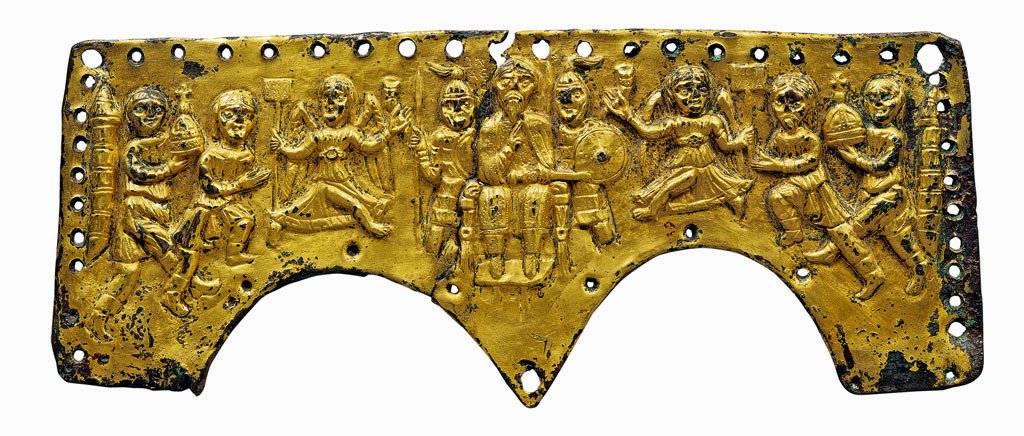
The so-called “Helm of Agilulf” (also known as the Lamina di Valdinievole). It is believed to depict the Lombard king Agilulf (center), flanked by Lombard warriors as he’s presented with offerings. It’s a typically Roman triumphal scene with interesting Lombard elements. For example, the figures of “winged victory” hold drinking horns. Note that Agilulf himself is not wearing a crown or diadem. There is, likewise, a “crown” associated with Agilulf’s queen, Theodelinda, but there’s some debate over whether it was actually hers and, if so, whether it was intended to be worn or offered to a house of worship as a so-called “votive crown.”
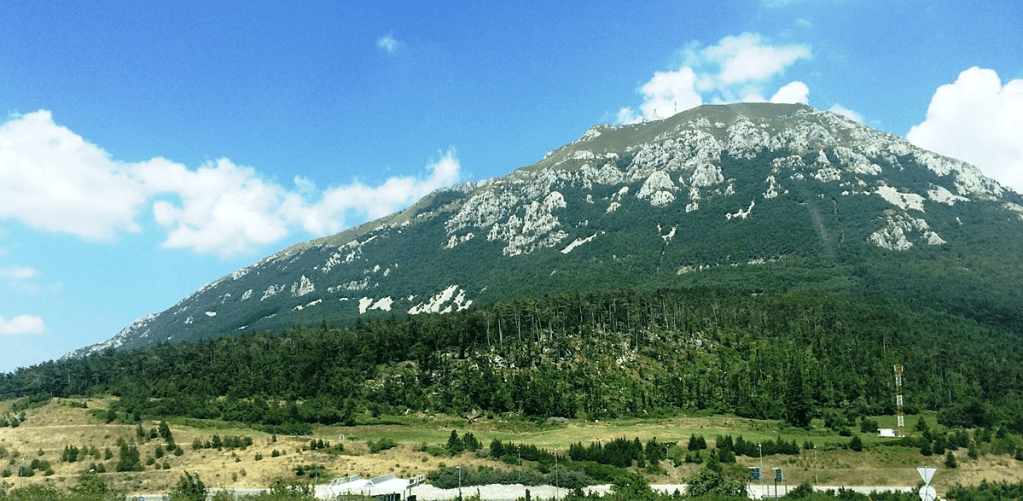
I’ve described the most likely path of the Lombard migration here. There’s just one outstanding question–where exactly is the “King’s Mountain” described by Paul the Deacon?
You might get the impression reading this blog that Rosamund’s story will be extremely complex and dry. Hopefully that’s not the case! This blog is, in part, a resource for me and a way to organize my thoughts on various topics. I’ve done years of research, and I didn’t stop reading and learning even as I turned to writing in earnest. It’s a lot to keep track of. Forcing myself to pull my notes into some sort of order tends to clarify my thinking.
I try, however, to be judicious about the details I include in the manuscript. I’m not looking to overwhelm a reader, and I absolutely do not assume they have as much interest in this topic as I do. In fact, I linger over the historical details on the blog precisely so that I am not tempted to shoehorn them into the story.
I love well-researched historical fiction. I love a sense of depth and texture and complexity in both historical and fantastic settings. But I have read certain (often otherwise excellent!) novels in which the historical research occasionally overwhelms the characters and plot. I think it’s very easy for a writer who’s done a ton of research–and probably delights in their mastery of the fine details–to succumb to a temptation to share their knowledge or, less charitably, to “show their work.” At best, the inclusion of excessive background information temporarily disrupts the flow of the story. At worst, it can be disorienting and self-indulgent.
Image credit to my husband’s fave governmental agency, NOAA.
To my mind, the research should inform and shape the narrative in ways that aren’t always visible. It should be like an iceberg–90% under the surface. When details are included, they should be in service to the characters and the story. They should shed light on how the characters understand the world and their place in it, how they evaluate their options, and why they take the decisions they ultimately do. Ideally, the reader will sense that the characters spring from a rich cultural substrate without having to dwell on the nitty gritty. Because, ultimately, the story belongs to the characters. Everything I include has to be in service to them.
Which brings me back to this blog. I’m not immune from the desire to show what I’ve learned. Aside from the time and effort expended, I think it’s very interesting! But I also know that most of the information belongs in an appendix, not in the novel proper. This blog is that appendix.

 A Queen's Cup
