In this battle Alboin killed Cunimund, and made out of his head, which he carried off, a drinking goblet. This kind of a goblet is called among them “scala,” but in the Latin language “patera.”
Paul the Deacon, History of the Lombards, Book I, Chapter XXVII
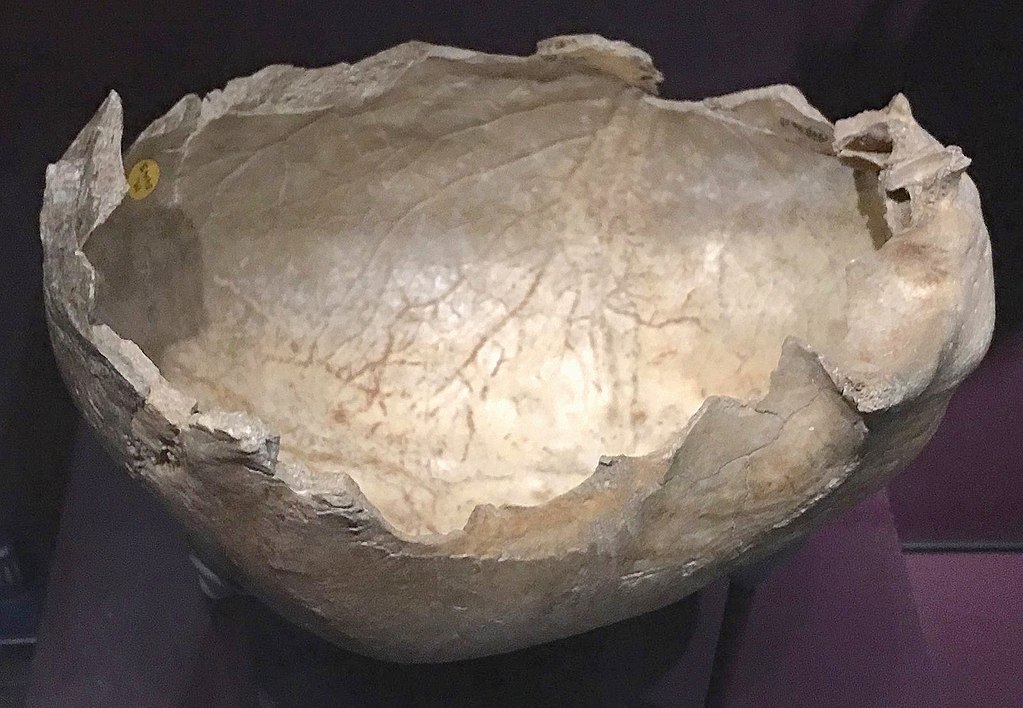
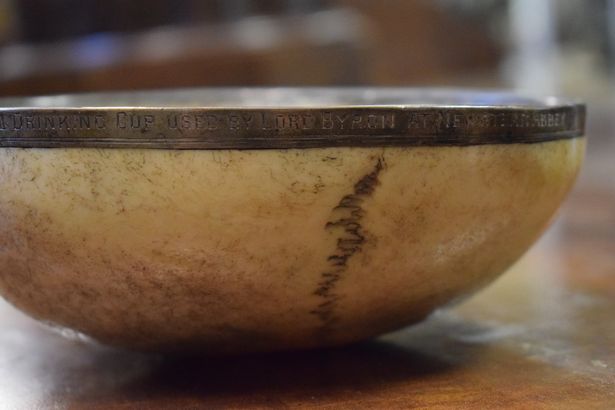
The most infamous cup in Rosamund’s tale is surely the one fashioned from her father’s skull. When I first read about it, I definitely imagined something (for lack of a better word…) goth–appropriate for what I took to be a particularly macabre trophy.
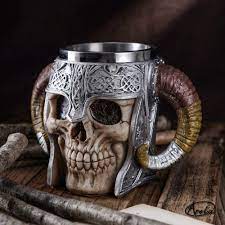

But upon further research, I realized my initial impressions were probably pretty far off-base–both in terms of the cup’s likely form and its significance.
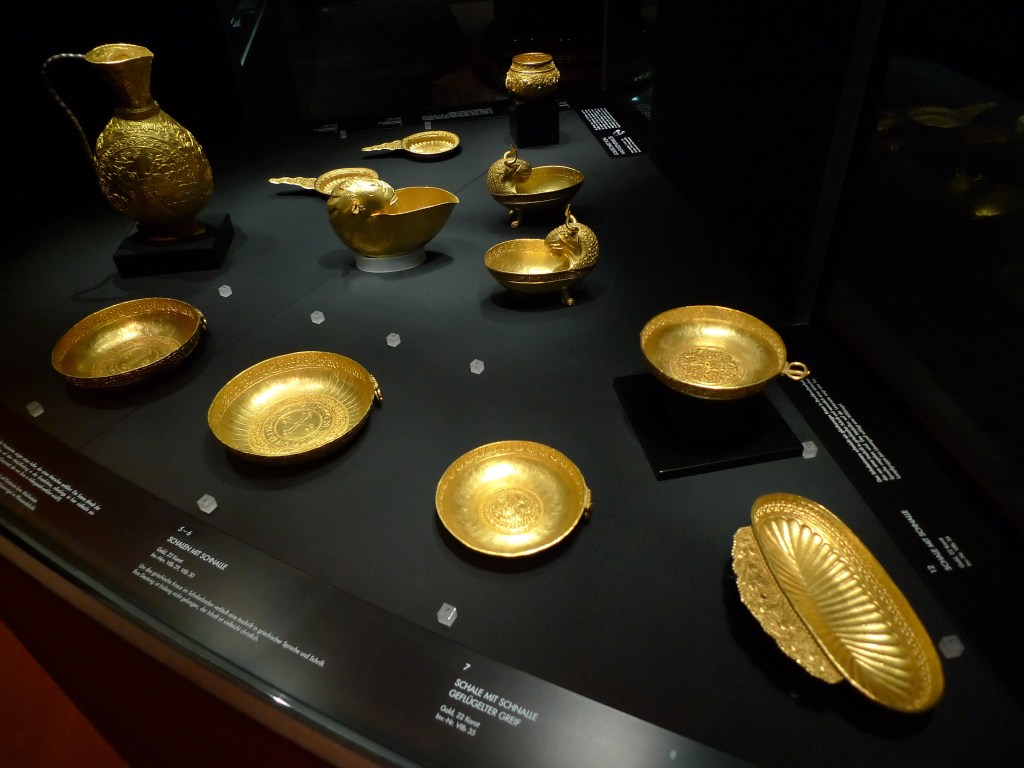
Paul the Deacon gives us a few useful hints as to what it actually would have looked like, in particular the terms scala and patera. The patera was a type of cup used in Roman libation rituals. It was a shallow, bowl-shaped vessel, with or without a handle.
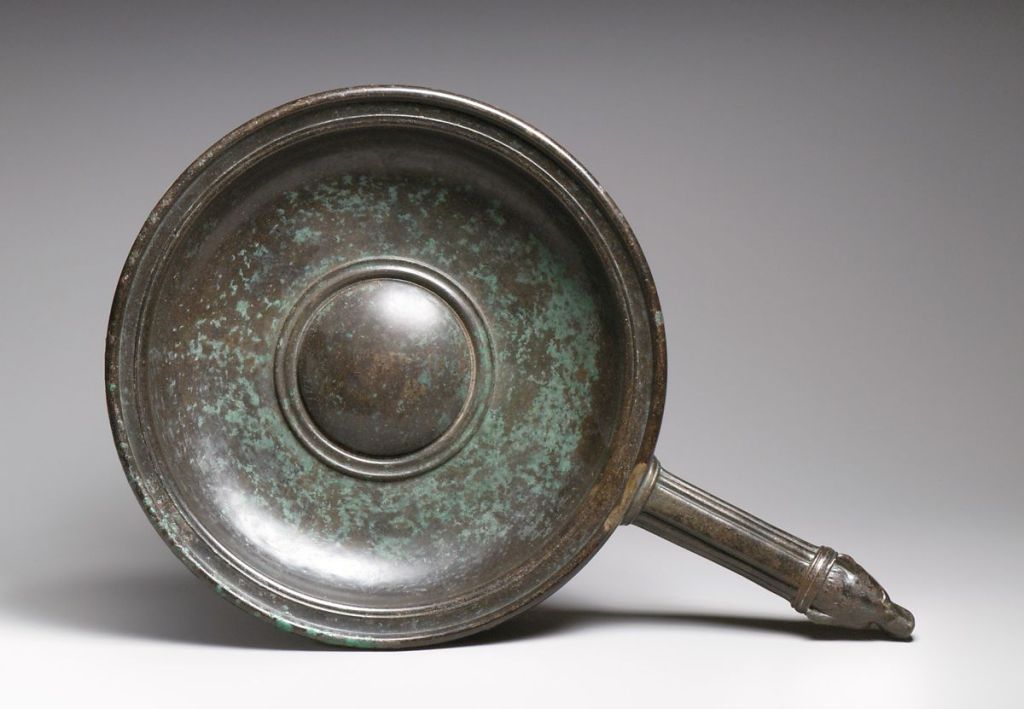
The patera bears a striking resemblance to Lombard drinking bowls of the late 6th/early 7th century–the scala. Indeed, scala probably indicated a similar, bowl-like drinking vessel. It is cognate with the modern German word schale, “bowl”.
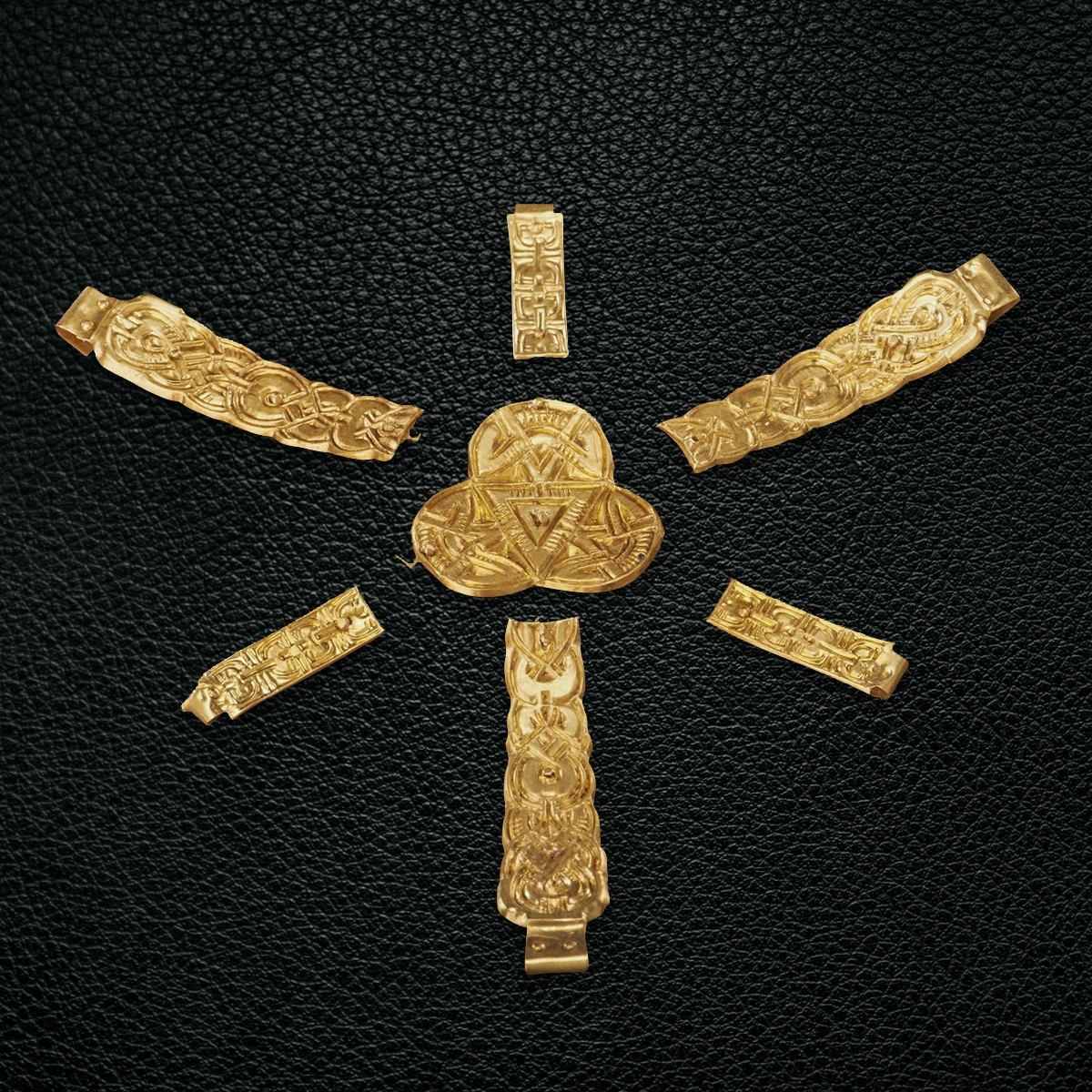
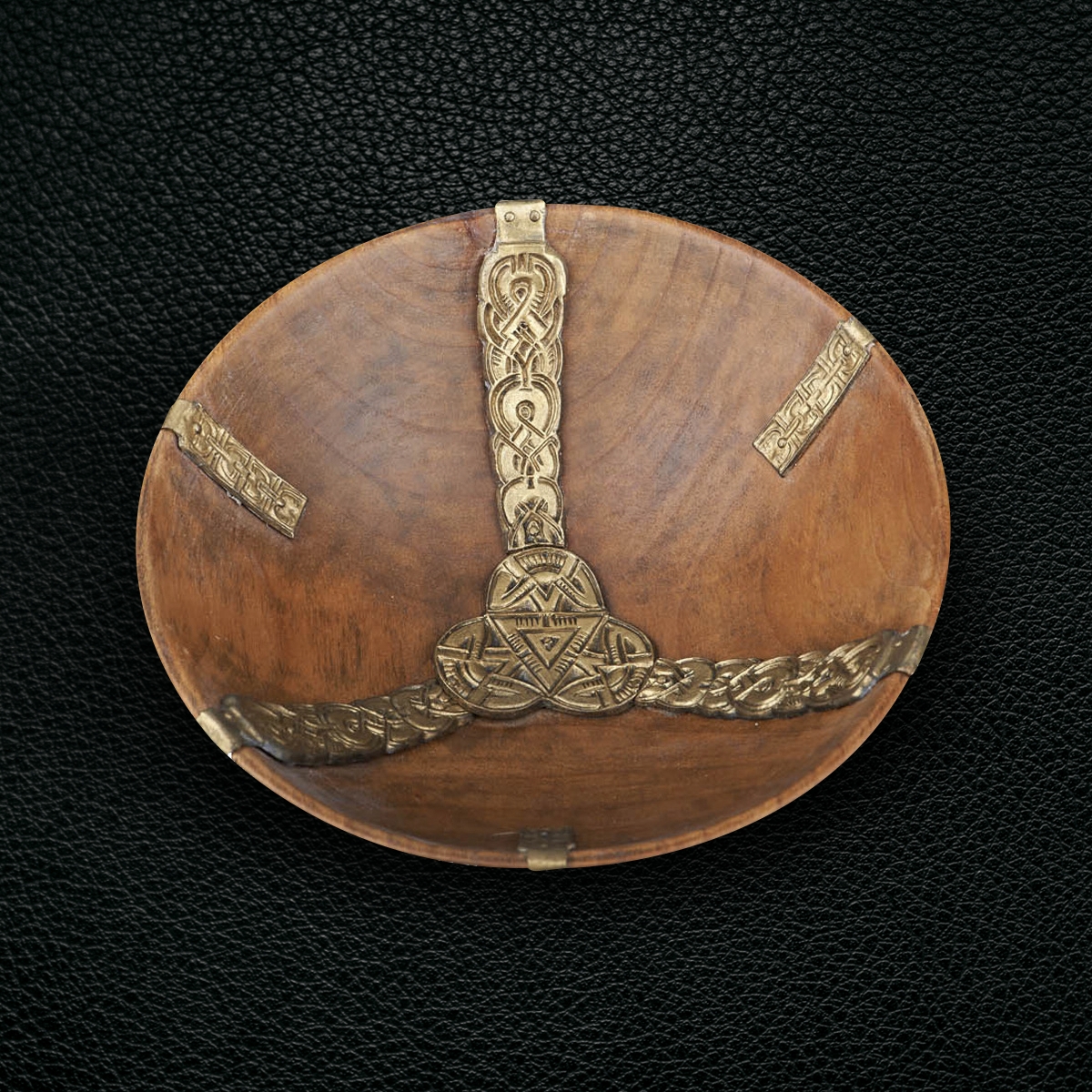
In light of all this, it seems most likely the cup was created from the dome of Cunimund’s skull, which was inverted and sealed to create a round-bottomed, shallow drinking vessel. A buckle of some sort may have been part of the fittings, so that it could be worn from the belt or hung on display. Across time, this appears to be the most common format for a skull cup.
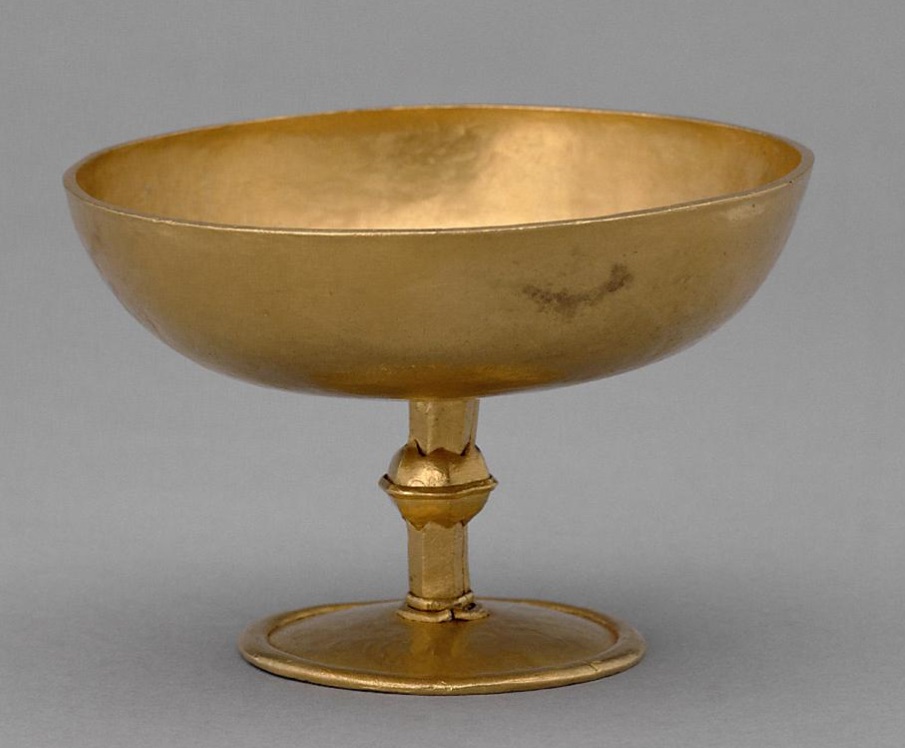
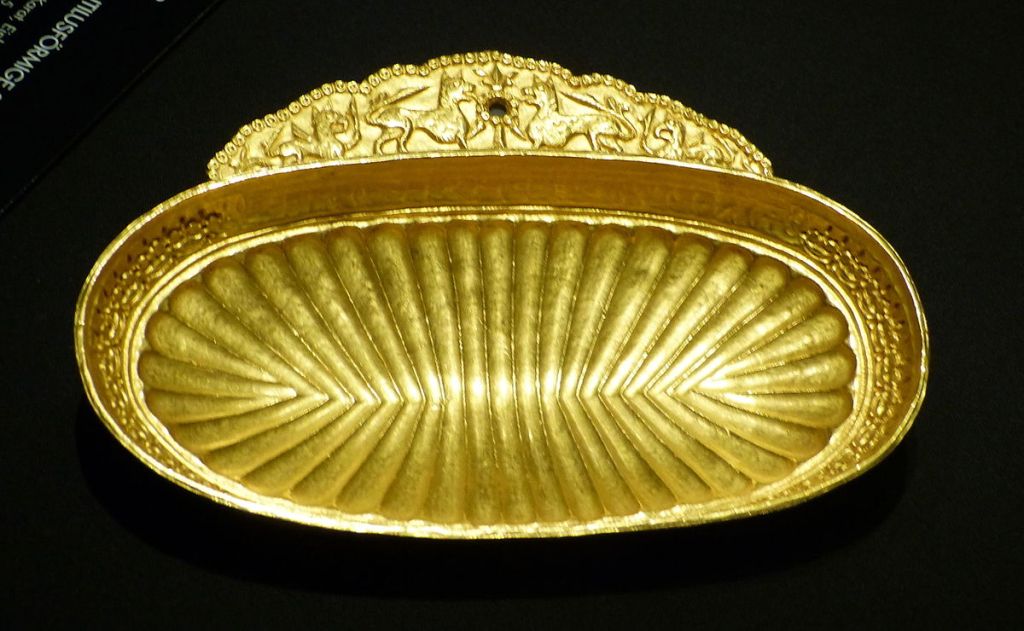
In my story, I’ve toyed with the idea of making the cup a gift to Alboin from his ally, the Avar Khagan. In this case, the skull cup might follow Avar designs from the time period. The treasure of Nagyszentmiklós, uncovered in Sânnicolau Mare, Romania, dates to the 6th/7th century and includes a range of precious drinking vessels. Some reflect Byzantine origin/design, others are more clearly Avar-influenced. Most of these are also quite shallow and bowl-shaped.

If I was initially mistaken as to what the skull cup looked like, I also didn’t fully appreciate its significance. The tale of the skull cup comes to us primarily through a later Lombard chronicler, Paul the Deacon. Paul was a Catholic, and his account should be interpreted through that lens. When he saw the skull cup for himself in the 740s, he lacked the context to understand its original symbolism. In christian terms, the skull cup is an icon of sin, cruelty, and barbarity. It is reduced to a mere trophy.
Among the nomadic peoples of the steppe, however, skull cups were used as ritual objects. Scythians, Huns, Avars, Bulgars, as well as some Celtic peoples made skull cups. The Lombards, like the Gepids, spent many years under the domination of the Huns and may well have been influenced by their beliefs. In other words, this was not such a strange object for Alboin to possess, whether he commissioned it himself or received it from his Avar allies.
The skull was considered the seat of the mind. By drinking from it, the victor absorbed the strength, wisdom, and sacred charisma of the vanquished. This was, inherently, a mark of respect, because who would want to absorb any part of a weak, inferior, or cowardly foe? The dead rival’s power was acknowledged and subordinated through the act of consumption. He was strong–but not strong enough.
According to Paul the Deacon, Alboin wore the skull cup and drank from it frequently in public settings. I have little doubt that it was, in part, a trophy–a reminder of a great victory over a powerful rival. But more than that, it was a reminder that Alboin was the literal and spiritual inheritor of his enemy’s power and authority. His marriage with Rosamund communicated a similar message.
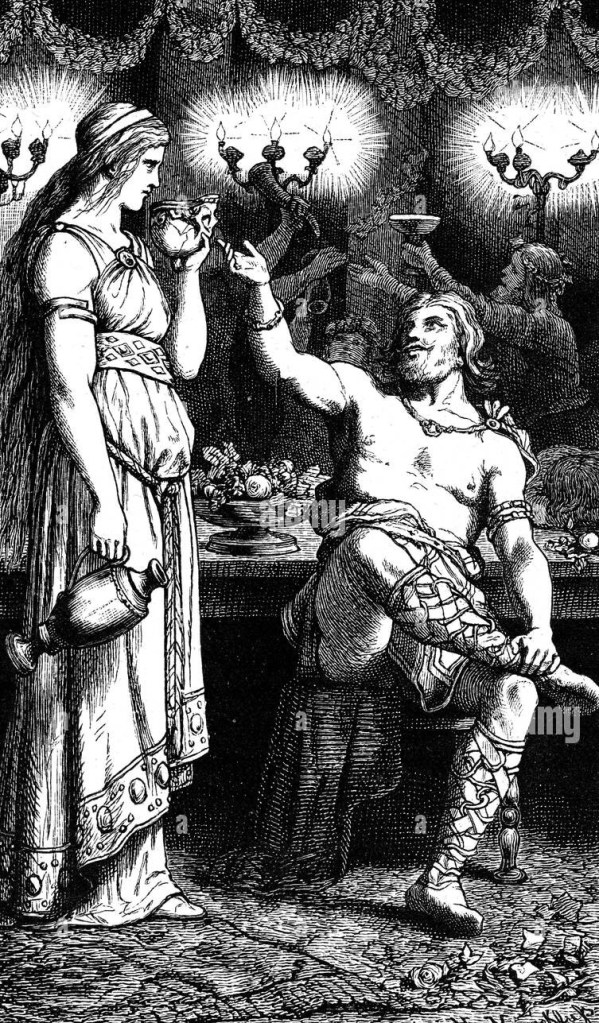
So, what did it mean when Alboin invited his wife to drink from her father’s skull? This, too, should be placed in context.
In my previous post on this topic, I discussed how drinking rituals helped to establish the hierarchy of the hall. Those who drank from the cup after the king acknowledged his authority. Perhaps Alboin was seeking to assert his power over Rosamund in a public setting. She was the leader of Gepids in his court, a contingent that later proved strong enough to help stage a coup. They were obviously somewhat restive and discontent. Alboin may have felt the need to assert his authority over Rosamund and her followers in a symbolic language they could all understand. Rosamund’s reluctance to drink should not be read merely as disgust, embarrassment, or pique. She was refusing to perform one of the core duties of a wife and queen and encouraging a fatal rift within the court. In this sense, her resistance was political as well as personal.
 A Queen's Cup
Was he offering to share in the power of the cup with her? Did she believe after drinking from it that she was imbued with some of her father’s power?
LikeLike
Was he offering to share in the power of the cup with her? Did she believe after drinking from it that she was imbued with some of her father’s power?
LikeLike
I don’t think he was offering to share the power exactly, although he does seem to have publicly singled her out in a way that was surely significant. I’m interested in what the Gepids who witnessed the scene would have made of it. As for Rosamund’s perception…that’s definitely something I’ll tease out! I’m really looking forward to writing this scene.
LikeLike
This is SO interesting. I wonder why wearing cups isn’t a bigger thing in college campuses / spring break parties! Or is this the 7th century Nalgene bottle…
LikeLike
Haha! Maybe, but only if the Nalgene bottle was made from solid gold!
LikeLike
Pingback: The cup(s) in question–Part 3 | A Queen's Cup