Nothing has caused me more of a headache than trying to imagine the political organization of the Gepids. Very little is known about it, aside from a few stray comments in various sources. We know that they had a king, and at various times there may have been more than one. There was, apparently, some sort of a council of nobles or tribal chiefs that had influence over certain military and political decisions. Beyond that, little can be known for certain.

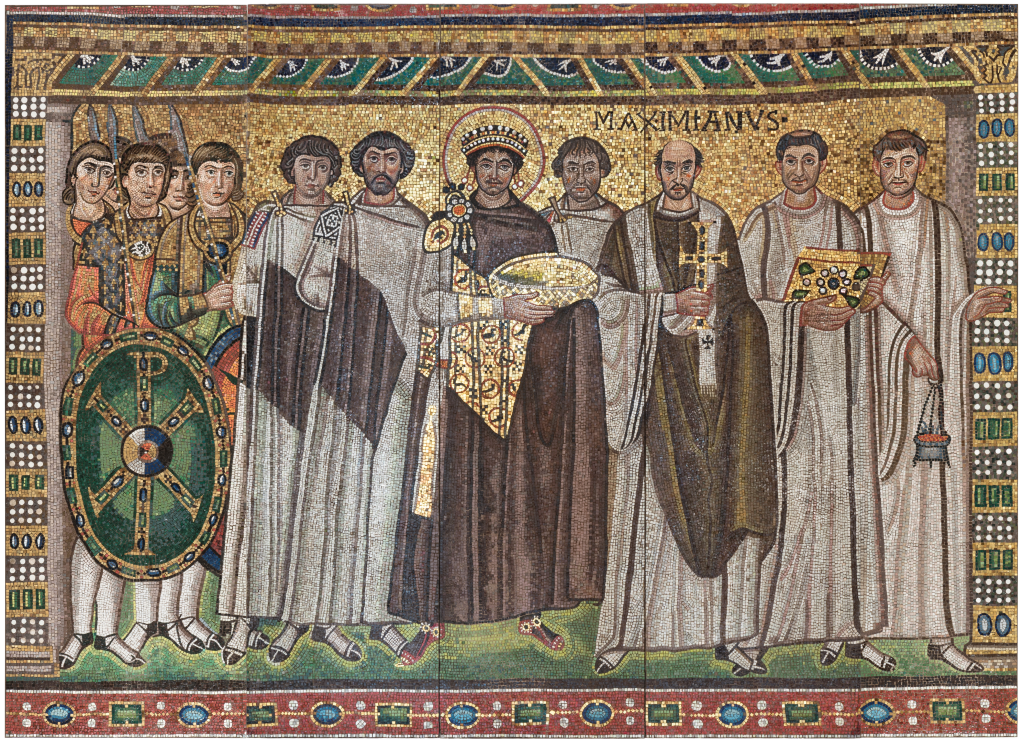
Other “states” (loosely defined!) of the time are somewhat less mysterious. We have a sense of the complex court and political offices of the Eastern Empire. Among the “barbarians,” the Merovingian court is relatively well documented, but due to the particular circumstances in Frankish kingdom, this many not shed much light on the organization of the Gepids around the same time. The Franks, after all, incorporated a Gallo-Roman elite and Catholic ecclesiastics into their administrative state. I’ve seen no evidence that these factors were present to a significant degree in “Gepidia.” Indeed, for a time the Gepids may have engaged in a project of constituting themselves as a political and ethnic body precisely in contrast to Roman precedent.
Yet surely there was a Gepidic court. Even Attila had secretaries, after all.
Continue reading A Queen's Cup