This year, Alboin, King of the Longobards, leaving and burning all of Pannonia, his fatherland, with all his army, with wives and all his people occupied Italy in “fara”; and there some were killed by illness, some by hunger, and others by the sword.
Marius Aventicensis,Chronicon, 569.1 (580)
Writing circa 580, the chronicler Marius Aventicensis recorded that the Lombards arrived in Italy in 569. This is one of the earliest attestations of the Lombard migration and a great example of how scant and tantalizing the sources from this period can be!
Marius Aventicensis says that the Lombards undertook their migration “in fara”–a term which he apparently presumed his audience would understand. In decades past, the word has been the topic of sometimes strenuous debate among historians and philologists. More recently, a groundbreaking paleogenetic investigation has shed new light on this controversial subject, and it is this data that informs my own answer to the perennial question: what exactly was a fara?
Continue reading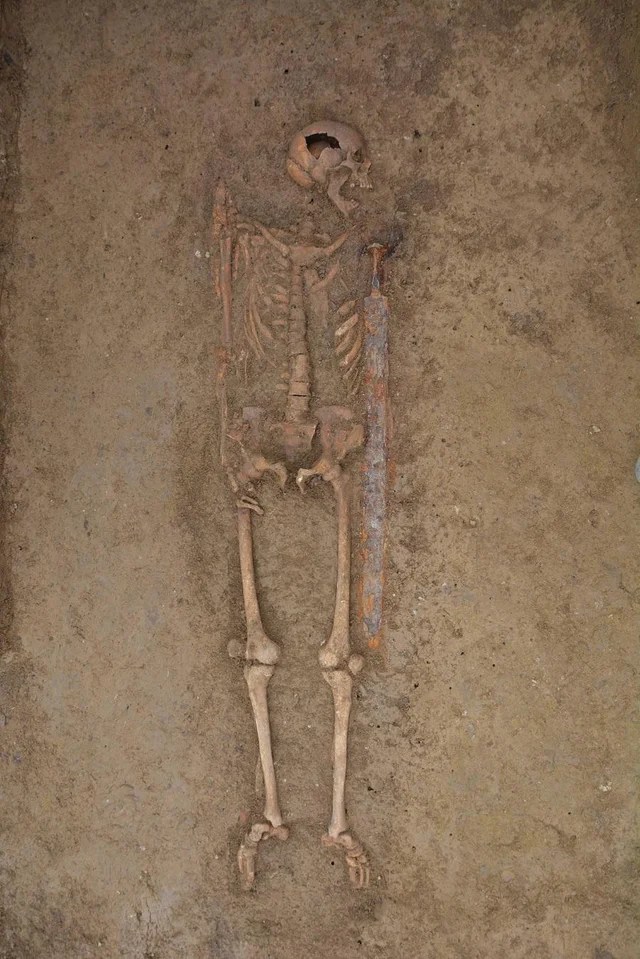





 A Queen's Cup